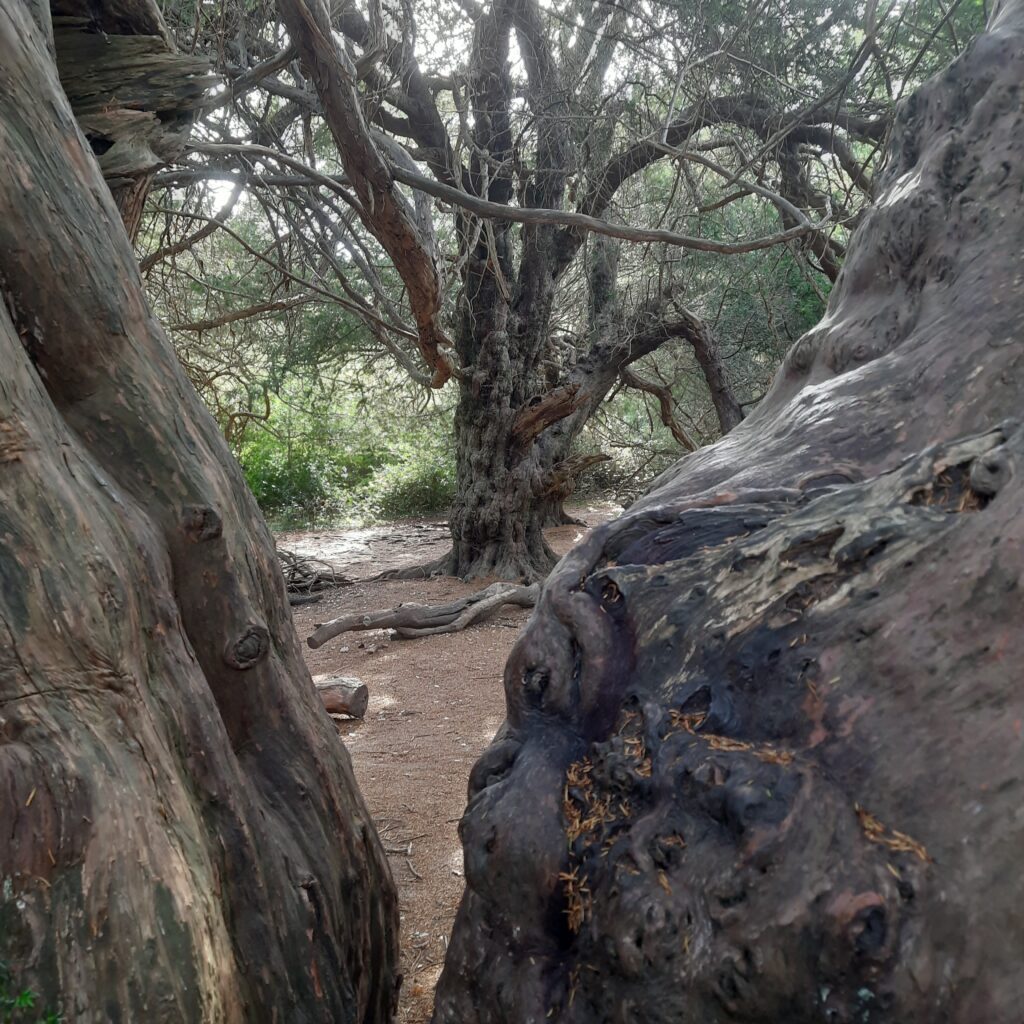
Thanks to my Arts Council Grant, this August I was lucky enough to attend a fibre art basketry course with Tim Johnson at West Dean College in Sussex.
I’d never been to the college before and I was blown away by the scale of the buildings and the spread of its landscape.
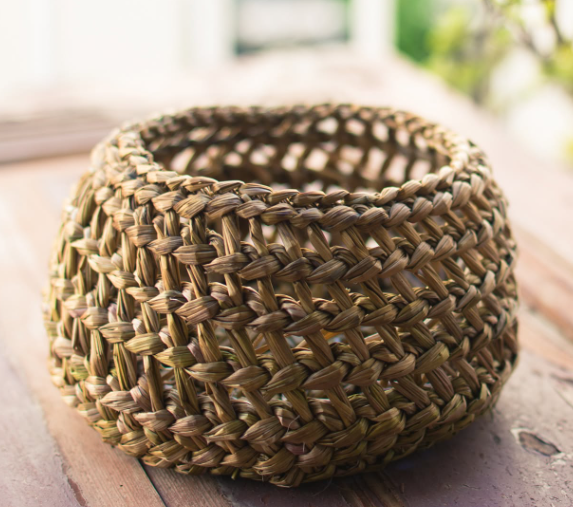
It was a joy to be taught by Tim again. I had previously attended a course with him weaving a Scottish bait basket called a “Hayve” woven with a neolithic braiding technique that Tim re discovered. Originally in heather or soft rush, we practiced with river rush from Somerset.
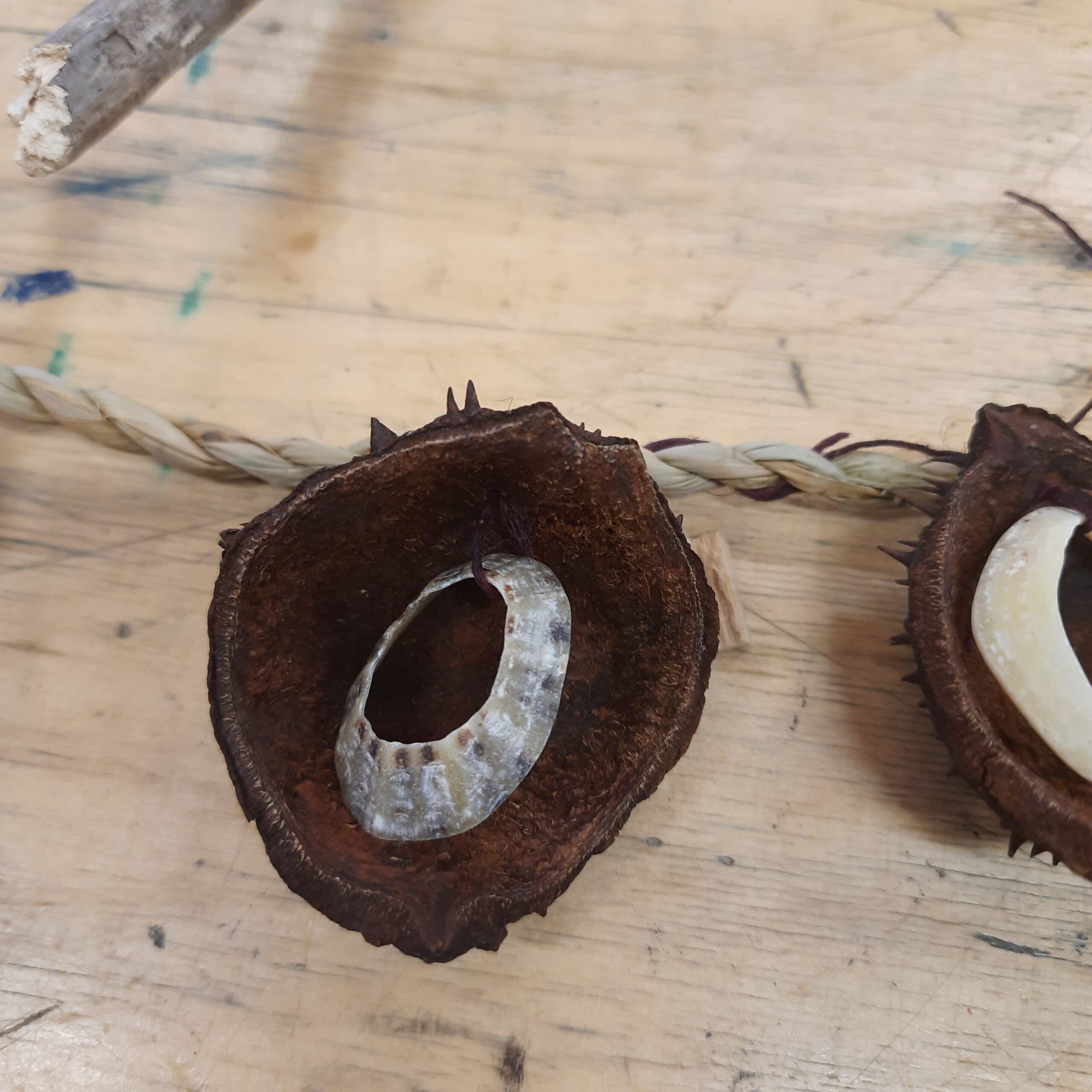
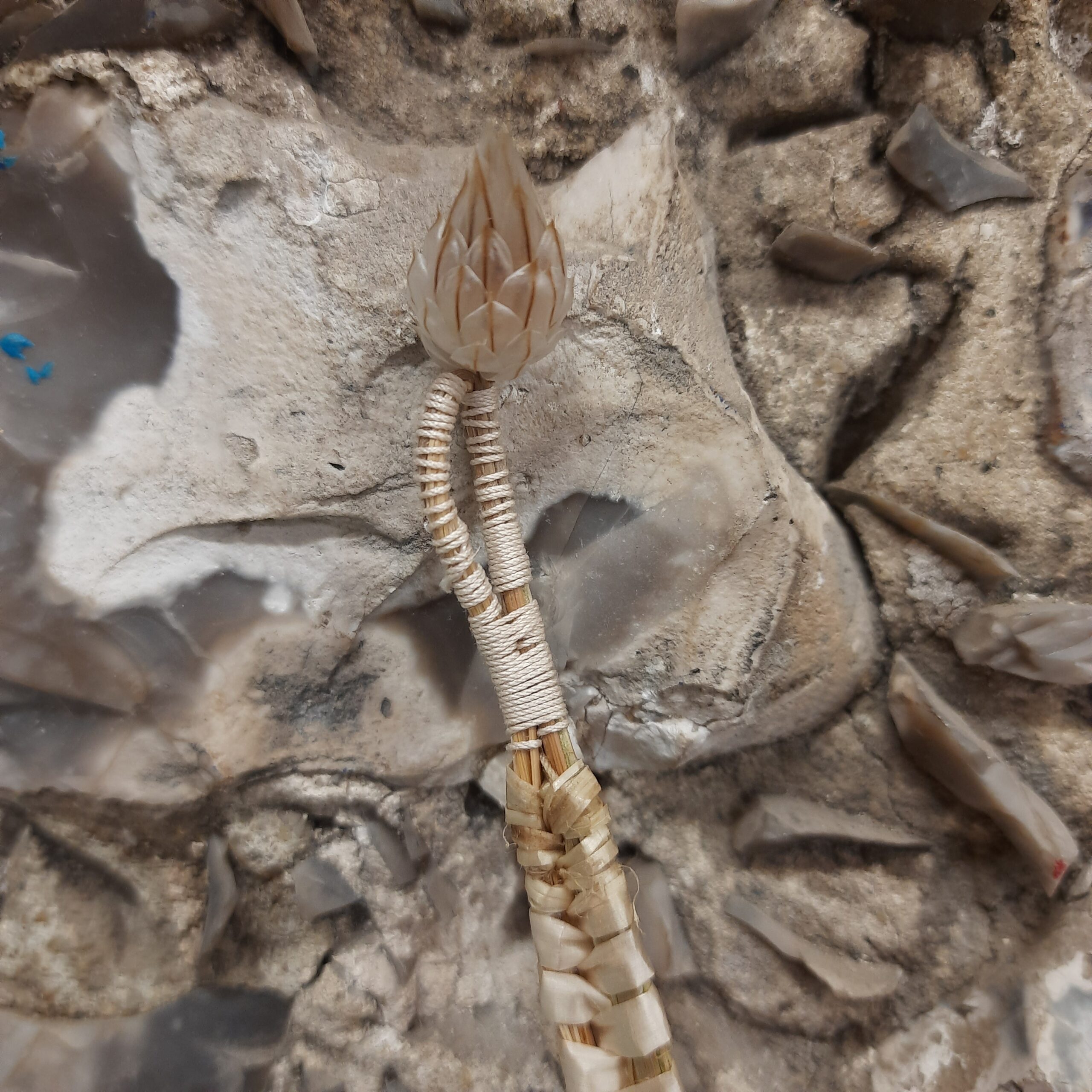
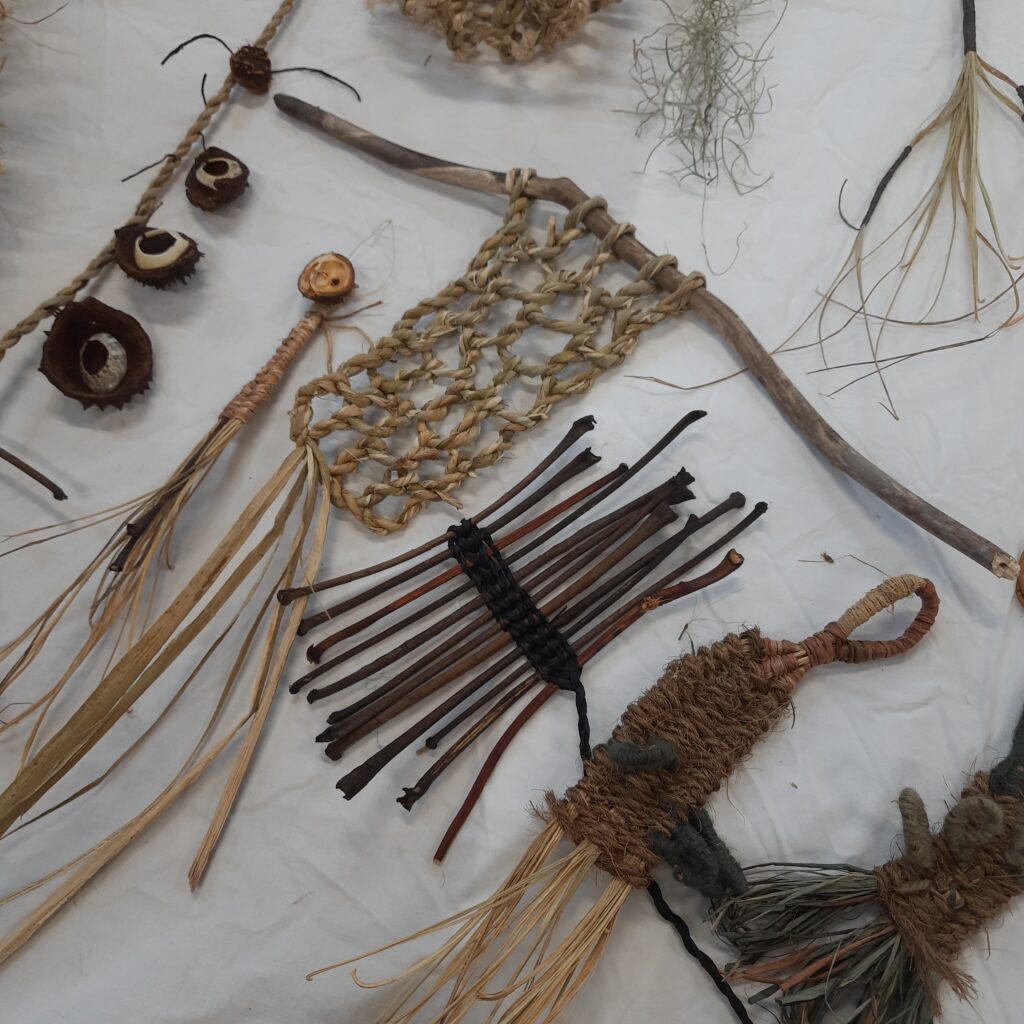
Immense is the word for this week. From arrival to this grand building and vast estate, to the bonds built between fellow students, our tutor and the craft itself. We twisted and coiled, wrapped and connected cordage. Turning fibres into 2 and 3 ply string and using this string to create fibre art inspired by the plants, the place, the work of Tim and his favourite artist, Tadek Beutlich, an innovative textile artist and printmaker.
I was rather overwhelmed at first by the size of the place, but quickly I settled into my lovely room in Ivy Cottage and got to grips with the layout. I was thrilled with delight, punching in the code and entering the walled garden through which I could reach the main college building. I was like having a key to the secret garden, accessible any time of day or night.
We spent time outside observing the shapes of the plants and exploring through my senses the fibres and forms.
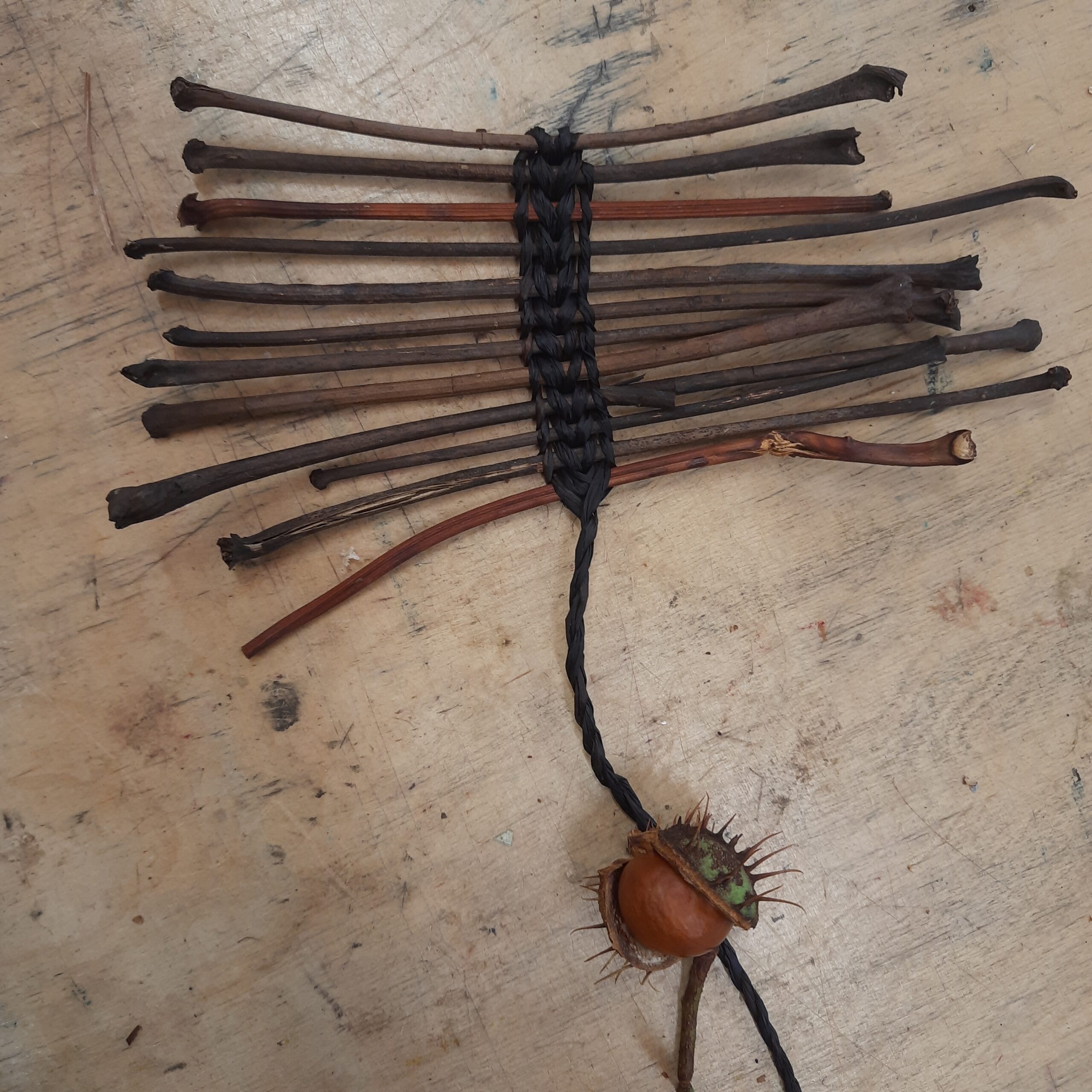
We played with some of Tadek’s techniques, wrapping esparto grass with other fibres and joining them together. I also had a short lesson in looping, creating a hanging from a beautiful stick and a small bowl from a hoop I made from a cedar branch.
I loved the whole experience of being there and have come away with lots of ideas.
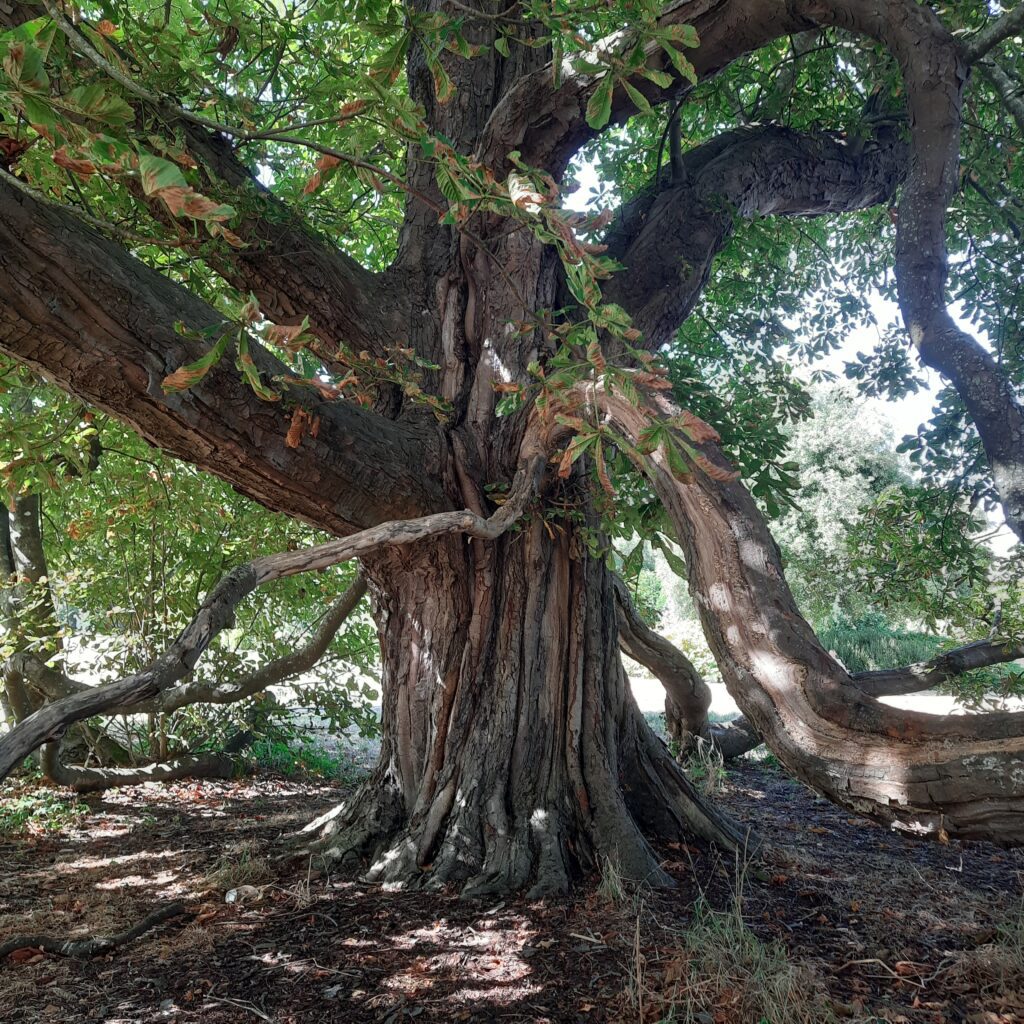
My tree of the month was Chestnut and I made excellent friends with a large spreading Horse Chestnut in the main grounds and incorporated some of their fallen foliage and seeds into my creations.
I’m learning lots from them and look forward to sharing my experience when I pick up the Journey with the trees again autumn 2027.
At the end of the course I went to visit the Yews in Kingly Vale National Nature Reserve which is just 10mins from the college. The last time I was there was 30yrs ago. The ancient yew trees at Kingley Vale are estimated to be between 500 and 2,000 years old, making them some of the oldest living organisms in Britain.
Legend has it that there was a great battle between the locals and marauding Vikings in AD 859, and whilst the Viking kings were buried up on the hilltop nearby at the Devil’s Humps (also known as the Kings’ Graves), the soldiers fell, died and were buried in the forest below. Others say that the trees were planted in commemoration of the battle. Stories abound that the ghosts of the soldiers haunt the forest and that the yew trees come alive and turn into humans at night.
The Vale is chock full of historical sites of interest, cited as being one of the most important archaeological sites in southern England, with 14 scheduled ancient monuments and WW2 guerrilla hide-outs dug by Canadian soldiers shortly before D-Day. Listen here to some oral history about the place.
The sun was going down as we entered the groves, but still shed enough golden light to illuminate these magical trees. I was tired but wired after the week, so it was lovely to spend some quiet time among these ancient trees.